THE JOURNAL · Electric cars
Petrol, hybrid or electric: choosing a luxury car for your life in India
Start with where you park, the journeys you repeat and how long you will keep the car. The powertrain decision becomes much clearer.
Reviewed by Prithvi · 12 September 2026
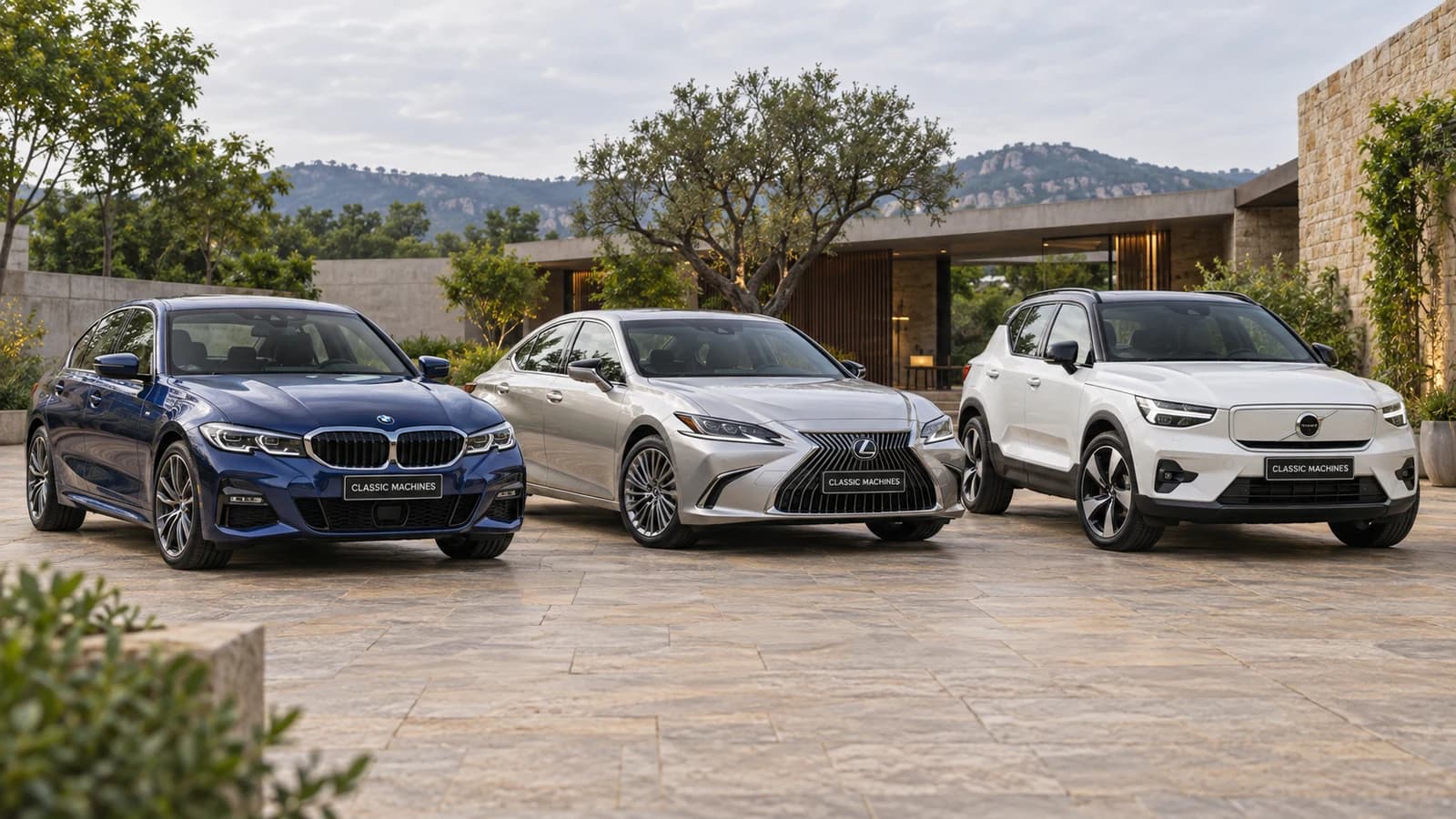
A ₹55 lakh budget can leave you comparing cars that have very little in common: a used performance SUV, a hybrid saloon, perhaps an electric car. Before comparing their specifications, answer something less interesting but more useful: where will this car spend Monday night, and where does it need to go on Tuesday?
Write down last week's journeys. Include the unplanned one, who else drove, and the outstation trip you make regularly. Keep that list beside the brochures. It is easy to buy around an occasional holiday and overlook the parking arrangement you will deal with every evening.
Settle the parking question first
An allocated basement bay is not yet a charging arrangement. Check whether installation is permitted, where the electricity comes from, how it is metered, and what the installation would cost. Have the equipment and wiring assessed by a qualified installer. Volvo's India charging guidance specifically calls for a certified electrician to mount its wallbox.
Office charging can work, but ask what happens when the bays are occupied or your office changes. If public charging will do most of the work, visit the stations you expect to use. Try the access, payment process and opening hours. Put the stop into an ordinary working day and see whether it fits.
Reliable charging makes the EV shortlist more plausible. Unresolved charging is a task to complete before the deposit.
“Hybrid” needs a second question
Ask which kind. The US Department of Energy's technology guide distinguishes mild and full hybrids. A mild hybrid uses electrical assistance alongside its engine; it should not be bought on the assumption of a useful electric commute. A full hybrid can use electric propulsion in some conditions and charges through the engine and recovered braking energy, without a plug.
A plug-in hybrid adds external charging and a larger battery for electric driving. Its petrol use depends heavily on how far you travel between charges. A battery-electric car has no petrol engine to fall back on.
These definitions explain the technology, not which versions were sold in India. Check the exact variant, country specification and support arrangements, especially with an imported used car.
Put the shortlist through an ordinary week
Write down a normal day's journeys and the distance between them. Include the school run or errands another family member will do, not just your commute. Then write down an inconvenient day: a late departure, an unexpected trip or a change of driver.
Take a hypothetical 45 km weekday with charging in your own bay. That is a reason to test an EV over the routine, including the passengers and air conditioning you normally use. It is not yet an answer about the monthly outstation journey.
If work regularly sends you out of Delhi at short notice, give petrol and full hybrids a close look too. An EV may fit, but test the unscheduled journey against actual charging stops and a fallback. Your tolerance for planning matters here; it is not a technical specification in the brochure.
Also decide whether this car has to do every job. A household keeping another car for long trips can make a different choice from someone replacing their only vehicle. At very low annual mileage, calculate how much an energy saving would actually contribute before paying extra for it.
A plug-in hybrid belongs on a shortlist where regular charging is practical and its electric range covers useful parts of the week. If you know you will seldom plug it in, compare its petrol-running behaviour and costs against a full hybrid or conventional petrol car.
Read a range figure with its conditions
The distance in a brochure is a test result, not a reservation of kilometres for your next drive. Volvo's India range guide explains how speed, temperature, weather and climate-control demand can change consumption.
Ask which test cycle produced the advertised figure. For the car you are considering, request evidence relevant to your route and leave a practical charging reserve. A short showroom drive cannot establish summer highway range.
Also read charging claims carefully: the stated battery interval, charger power and operating conditions matter. For a regular Delhi–Jaipur trip, for example, check where you would actually stop, whether the site is accessible when you travel, and where you would go if it were unavailable. We are not claiming any particular station's present availability here.
Put rupees against your own usage
Compare energy costs with explicit assumptions. Consider this illustration for 1,000 km a month:
- Petrol at ₹100/litre and 10 km/l: ₹10,000.
- Electricity at ₹10/kWh and 20 billed kWh per 100 km: ₹2,000.
- At ₹25/kWh for the same billed consumption: ₹5,000.
These are arithmetic examples, not current tariffs, a model test or a promise of savings. Using billed electricity keeps charging losses inside the input. Replace all three numbers with your evidence; include parking and session fees where applicable.
Then add purchase price, installation, insurance quotes, maintenance, tyres, finance costs if relevant, and a repair reserve. At this budget, one uncertain resale assumption can overwhelm a carefully calculated monthly energy saving. Test more than one future sale value. Neither the petrol nor electric badge guarantees an exit price.
A used car adds another inspection file
On a used EV or plug-in hybrid, ask for a dated battery-health assessment that identifies the test method, fault history and applicable warranty. A range estimate on the screen is not the same document. Request an inspection of the battery enclosure, charging equipment and relevant service records by a qualified workshop.
Volvo's India battery overview describes coverage for new vehicles subject to conditions. It does not establish the remaining or transferable cover on a particular used car. Obtain that answer against the VIN, including time, mileage, exclusions and service requirements.
For petrol cars and petrol hybrids, resolve the fuel specification too. Our E20 buying guide explains the distinction between ethanol compatibility, octane and the condition of the individual vehicle.
What to bring to a viewing
Bring the parking answer, your monthly distance, the journey you repeat outside the city and the period you expect to keep the car. Add anything that would make ownership difficult: limited charging access, no time for planned stops or a tight reserve for unexpected work.
Browse the current collection with that brief beside you. If nothing fits, start a Private Search. The fuel type is one part of the request. How you intend to live with the car tells us what to look for.
Sources & review notes
Sources checked 5 September 2026. Manufacturer guidance, tariffs and conditions can change. Confirm the details for the actual vehicle before a purchase.
- US Department of Energy AFDC — Hybrid Electric Vehicles (technology definitions)
- US Department of Energy AFDC — Plug-In Hybrid Electric Vehicles (technology definitions)
- Volvo Cars India — Electric car range and its limitations
- Volvo Cars India — Battery technology and warranty overview
- Volvo Cars India support — Charging and wallbox installation
EXPLORE THE COLLECTION
Put the questions to a particular car.
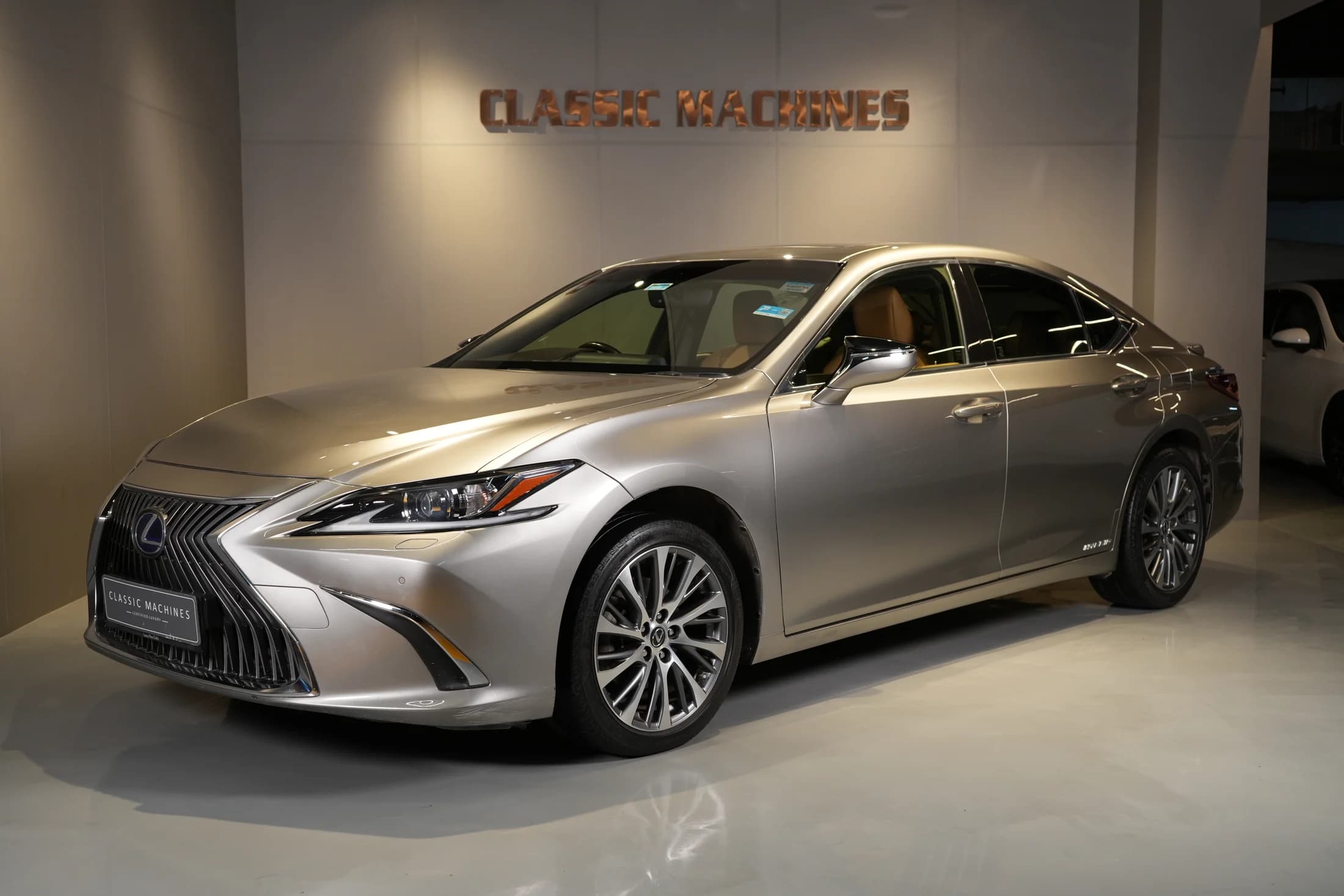
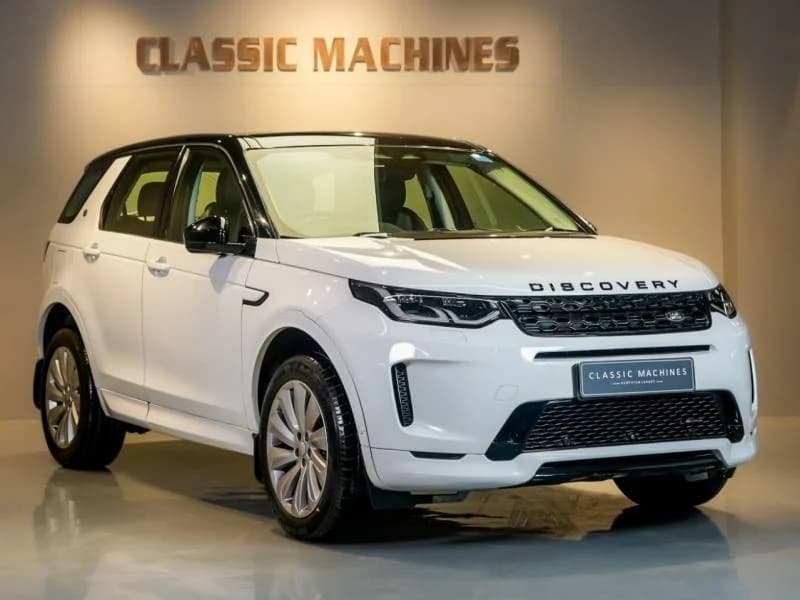
Selected by fuel type or model relevance—not a compatibility recommendation. Confirm the specification, condition and suitability of each car.

YOUR NEXT CAR
Bring the question. We can start there.
Explore what is here, or tell us what you need through Find My Car. Your parking, journeys and budget give the conversation a useful starting point.